
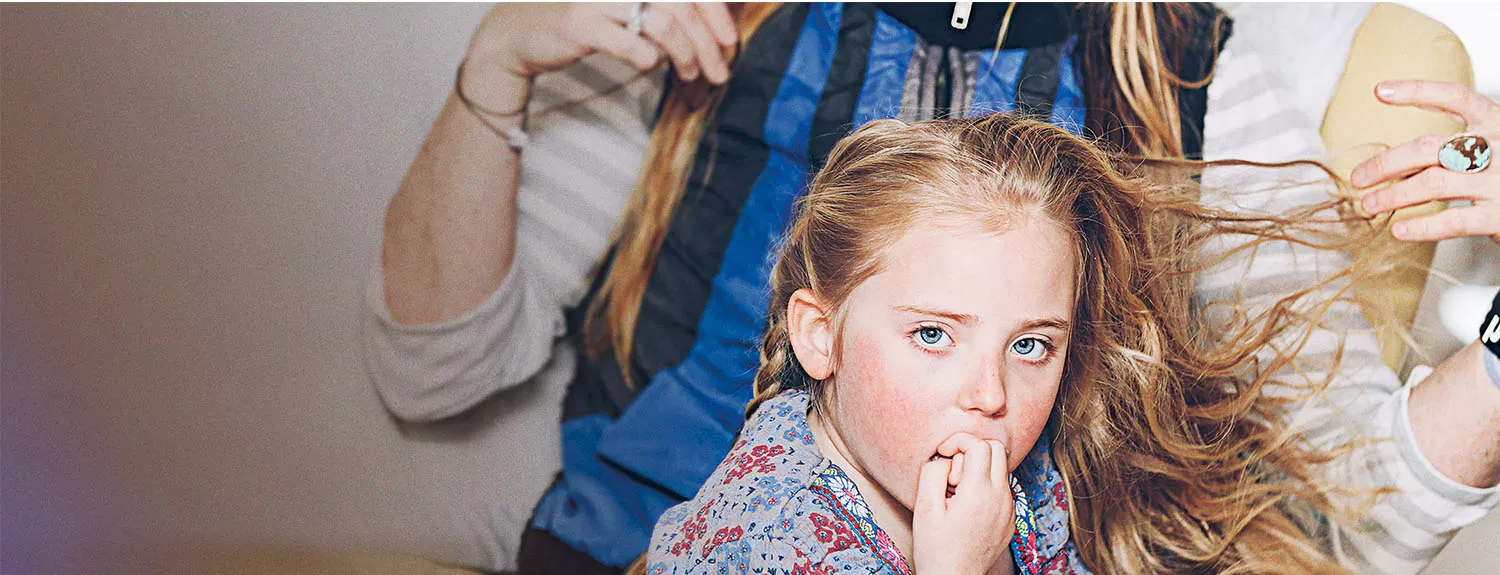
Welcome to the Rett cure community
The fierce love we feel for our children drives our singular focus: a cure for Rett syndrome. We are advancing six genetic-based strategies that attack the root cause of Rett from every angle. Our incredible progress is made possible by the support, passion, and commitment of Rett families around the world.
We are the only Rett nonprofit organization solely focused on cure. We are the only organization with a comprehensive plan to achieve a cure and with staff that has decades of industry experience in drug and business development. We have funded more research than any other Rett organization worldwide.
We will not rest until we have a cure.
Join the Rett cure community to be part of the progress.


Recently diagnosed?
We’re here to help
Getting a Rett syndrome diagnosis is one of the hardest things you’ll ever face. We know this first-hand. We’re parents too. Emotions can run the gamut and it can all seem overwhelming. You’re worried about your child and your family. You are reading everything you can get your hands on but you are not sure how to interpret it or if it's relevant.

Genetic Solutions
for a Genetic Disorder
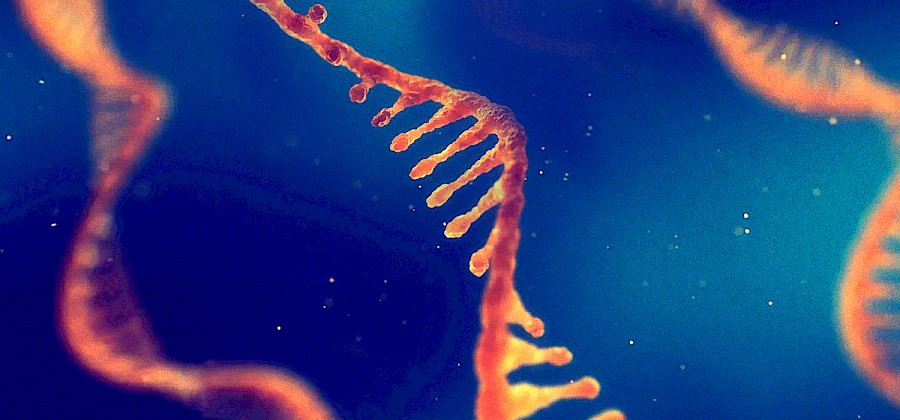
There are eight biopharmaceutical companies pursuing genetic drugs for Rett syndrome. Every one of them is able to do so because they leveraged discoveries and resources that were advanced with RSRT funding.
News






Take Action
Every donation made to RSRT has occurred because a Rett family took action. If your child, grandchild, niece, godchild, or child of your close friend has Rett syndrome, we need your help. Please join our effort.



Imagine Revolutionizing Your Child’s Clinical Care
In early 2023 RSRT will launch the Rett Syndrome Global Registry, a virtual platform where parents can enter information about their child, track symptoms to make informed decisions about their care, learn from other parents and participate in research. The power of the Global Registry will come from the quality and volume of the information that Rett families share. With aggregated, anonymized data from across the globe, biopharmaceutical companies will be able to design more efficient clinical trials and get effective therapeutics to market sooner.

MECP2 Duplication Syndrome
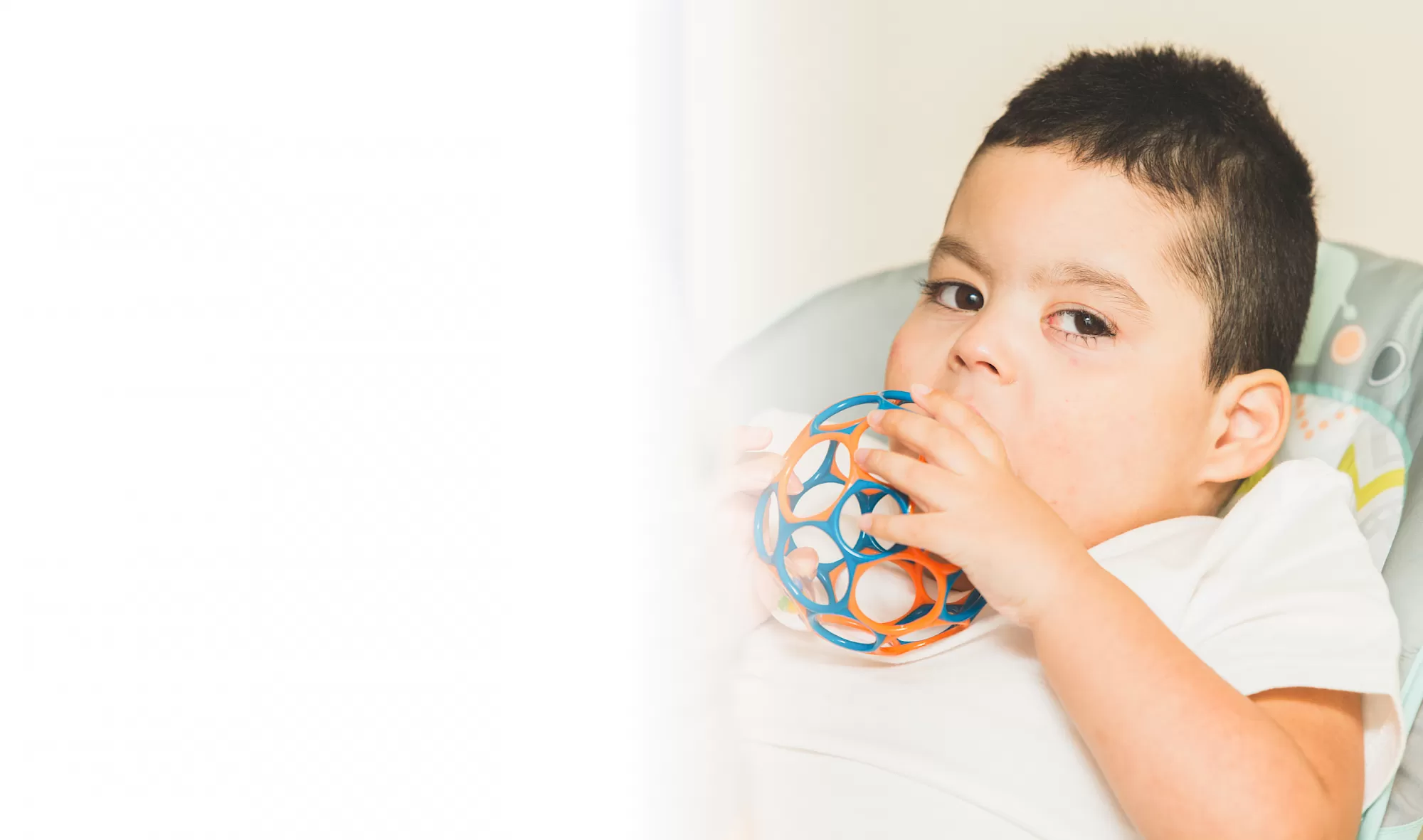
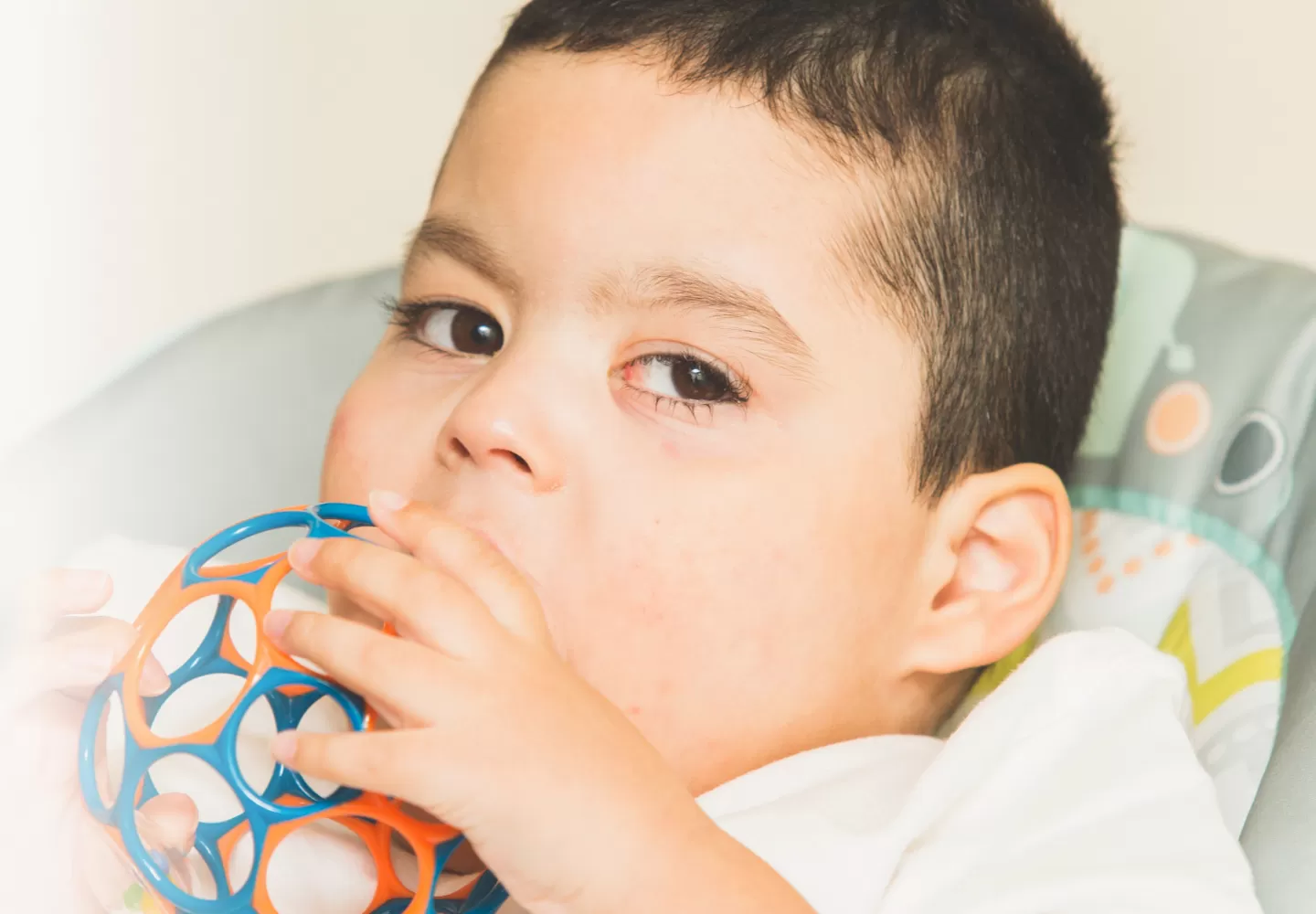
MECP2 Duplication syndrome (MDS) is caused by a genetic error that duplicates a section of the X chromosome that includes the MECP2 gene. The MECP2 Duplication Syndrome Fund at RSRT, created in 2010, puts the intellectual and scientific resources of RSRT immediately to work for the MDS community. The Fund exclusively supports research aimed at reversing MDS. 100% of every dollar contributed is invested in research — not a single penny goes to overhead.